27.5+ frames: who they make sense for and what to check before buying
Guide overview: the difference between 27.5 and 27.5+, the key compatibility points for your build, how to think about hardtail vs full-suspension options, and the practical details worth checking before choosing a frame.
27.5+ frames are designed for bikes running wider plus-size tyres, which add traction, comfort and a more planted feel on rough ground. They make the most sense when you want a trail or all-mountain bike with more grip and a calmer ride feel, rather than the sharpest, fastest response you would usually expect from a narrower XC or standard 27.5 setup.
27.5 vs 27.5+: what actually changes on the trail
A standard 27.5 frame is usually built around narrower tyres and tends to feel quicker, sharper and more responsive when accelerating or changing direction. A 27.5+ frame, on the other hand, is made to work with higher-volume tyres, so it usually delivers more grip, more comfort over roots and rocks, and a smoother, more confidence-inspiring ride feel overall.
If you want a bike that feels easier to read and more forgiving in technical terrain, a plus-size frame is a strong option. If your priority is lower rolling resistance, a sharper response and a lighter, more direct build, a standard 27.5 frame or a comparison with 29" frames will often make more sense.
What to check so everything fits correctly
- Tyre clearance and actual frame space: with a 27.5+ frame, the key question is how much room remains around a wider tyre. It is not only about whether the tyre physically fits, but whether there is still enough clearance for mud, tyre movement and normal trail use. If you are building around a plus-size setup, this is the first point to verify.
- Rear axle and hub standard: with plus-size frames, it is often essential to check Boost vs non-Boost compatibility. The wrong standard creates problems immediately when choosing wheels, hubs or the rear-end setup as a whole. If you are planning a fresh build, it makes sense to review compatible MTB hubs at the same time.
- Head tube and headset: before buying, check whether the frame uses a tapered steerer standard or something else, and which headset you need. This is not a minor detail to solve later during assembly, but one of the core compatibility points of the entire build.
- Recommended fork travel: the correct travel has a major effect on geometry and ride feel. On a 27.5+ frame this matters even more, because a wider tyre already changes the bike’s behaviour on the trail. If you do not want to upset the intended handling of the frame, choose an appropriate MTB fork based on the manufacturer’s recommended range.
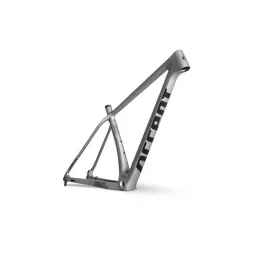
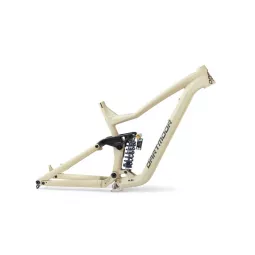
- Hardtail or full-suspension frame: for a simpler, tougher and more direct build, it makes sense to look at MTB hardtail frames. If you are aiming for a more aggressive trail or enduro setup, an MTB full-suspension frame may be the better choice, with wider tyres adding even more traction and comfort.
- Dropper post routing: on a trail or all-mountain build, internal routing for a dropper post is a practical advantage rather than an extra feature. You feel the benefit most in technical descents, steeper sections and whenever you need to move actively over the bike.
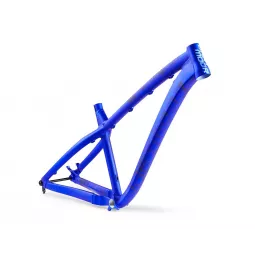
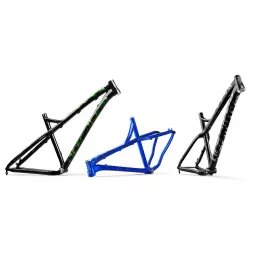
Within this category, it makes sense to look beyond the frame material and geometry alone and focus on what kind of build each frame is really meant for. Dartmoor fits naturally where the goal is a more playful, tougher base for trail-oriented or more aggressive riding. Accent makes sense where the priority is a solid frame platform with sensible compatibility and no unnecessary complication. For a broader view, you can also browse the main category of bike frames.
Practical note from real-world builds: with a 27.5+ frame, the important part is often not the word “plus” itself, but how the frame works together with rim width, the actual tyre used and the fork travel. That is what decides whether the result feels like a confident, well-balanced trail bike or a build that has grip but ends up feeling unnecessarily heavy and dull.
What is the difference between a 27.5 and a 27.5+ frame?
A 27.5+ frame is designed for wider plus-size tyres, so it needs to provide enough frame clearance and the right compatibility for the rest of the build. In practice, it brings more traction, comfort and confidence than a standard 27.5 setup.
Can every 27.5 frame fit plus-size tyres?
No. A standard 27.5 frame may not offer enough clearance for wider tyres. If you want to build around plus-size rubber, always check the available frame space, the rear axle standard and the recommended tyre width.
Who benefits most from a 27.5+ frame?
It makes the most sense for riders who want more grip, comfort and control on trails, technical terrain or rough surfaces. If your priority is a more confidence-inspiring bike feel, 27.5+ usually makes more sense than a narrower standard setup.