MTB forks: key differences, compatibility and how to choose correctly
Rigid vs. suspension | Travel, axle and steerer | What to watch before buying
MTB forks are not just replacement parts. They directly influence bike geometry, front-end tracking, steering feel and overall control in terrain. In this category, you will find both rigid MTB forks and suspension MTB forks. The point is not to pick just any MTB fork, but to choose one that matches both the intended riding style and the technical requirements of the bike.
Rigid vs. suspension MTB forks
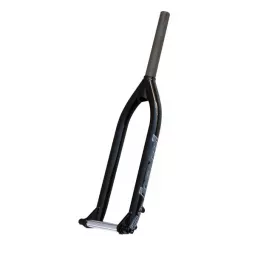
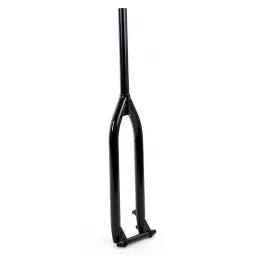
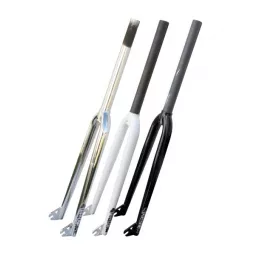
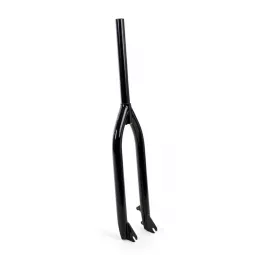
Rigid MTB forks make sense where lower weight, simplicity, low maintenance and a more direct front-end feel matter most. They can be a good fit for certain XC bikes, bikepacking builds, lighter trail use or specific hardtail setups. With rigid forks, the key point is not just the material, but also whether the fork is dimensionally suitable for the intended frame and use. If you replace a suspension fork with a rigid one without considering height and overall geometry, you can easily change the bike’s front-end position and handling in an undesirable way.
Suspension MTB forks make more sense where you need better traction, more control and greater tolerance for rough terrain. The difference becomes most noticeable on roots, rocks, heavier braking zones and longer rides off smooth surfaces. It is not just about comfort. A properly chosen suspension fork keeps the front wheel calmer, tracks rough terrain more effectively and gives the rider more confidence where a rigid fork would transmit too much impact directly into the bars and steering.
What to check when choosing an MTB fork
- Wheel size – the fork must match the front wheel size, typically 27.5" or 29". This is not only about tyre clearance, but also about correct front-end height and overall bike geometry.
- Travel – with suspension forks, this is one of the key parameters. Too much change in travel can raise the front end, alter the head angle and move the bike away from the geometry the frame was designed for. For upgrades, it usually makes sense to stay close to the original range or make only a modest change.
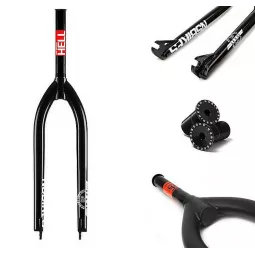
- Steerer tube – straight or tapered is a core compatibility point, not a detail. The steerer must match both the frame and the headset. This is one of the most common mistakes when replacing a fork.
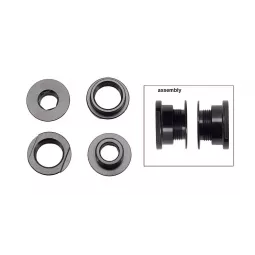
- Axle standard and hub spacing – QR, thru-axle, boost or non-boost. If the axle standard does not match, the front wheel will not fit. That is why it often makes sense to verify related MTB hubs at the same time.
- Brake mount standard – check what brake mounting system the fork uses and whether it matches the rest of your setup. This matters especially when rebuilding the front end or replacing multiple parts at once.
- Fork height / axle-to-crown – especially when switching from suspension to rigid, this is a critical dimension. It affects stability, front-end loading and steering response. On an MTB bike, this is not a cosmetic detail but a parameter with a real effect on ride behaviour.
- Type of use – a light XC bike needs a different fork than a trail hardtail or a more aggressive dirt or enduro setup. Selection should start with where and how the bike will actually be ridden, not with price or appearance.
When each option makes sense
If you want a light, simple and mechanically clean setup, a rigid fork usually makes more sense. This applies especially where rough terrain is not the priority and direct handling matters more than impact absorption.
If you want better front-wheel control, improved tracking and more confidence in rough terrain, a suspension fork is usually the better choice. This becomes increasingly important as terrain gets faster, rougher or more technical.
The most practical rule: do not start with brand or price. Start with compatibility. Once you have checked wheel size, travel, steerer, axle standard and brakes, only then does it make sense to compare material, weight or specific models.
How do I know if a new MTB fork will fit my bike?
Check the wheel size, travel, steerer type, axle standard and brake mount. Fork compatibility is defined by the combination of these parameters, not by a single measurement. If the steerer or axle standard does not match, the fork will not fit without additional changes.
Does it make sense to replace a suspension fork with a rigid fork on an MTB bike?
Yes, if it matches the purpose of the bike. A rigid fork makes sense where lower weight, simplicity and direct steering response are the priority. For regular riding in rough terrain, a suspension fork will usually be the better option.
Can I increase fork travel when upgrading?
Sometimes yes, but only within reason. Too large a change in travel can alter the bike’s geometry, front-end height and steering behaviour. On most frames, it makes more sense to stay close to the original range or make only a small increase.