

-
Top offers
-
Bikes
-
Helmets & Goggles
-
Accesories


Vintage
Vintage bike components include original older parts and accessories that are no longer in production but still have their place in custom builds and bike restorations.
For wheels and tyres the wheel size in inches (20", 26", 29"). For seatposts, handlebars and stems the diameter in mm – a seatpost must match the seat tube of the frame.
Crank arm length (e.g. 170 mm) or stem length (e.g. 50 mm).
Number of spoke holes in the rim or hub. Rim and hub must match (usually 32 or 36).
Whether the part is for the front or the rear wheel (hub, wheel, brake).
Products – Category: Vintage
49 items
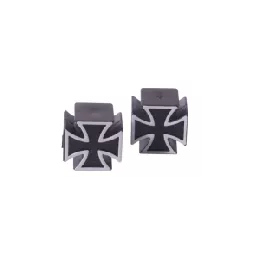
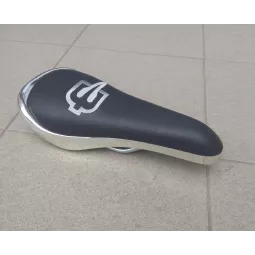

Brave Pogo CNC ONE bolt seatpost clamp 31,8 mm
Brave Pogo CNC ONE bolt - Lightweight seat clamp made of Alu 6061 aluminium. 1…
- -5%
- -5%
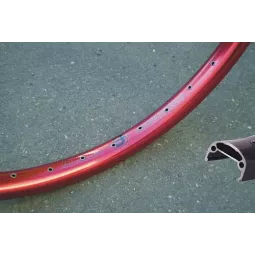
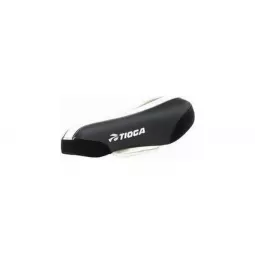
Tioga Multicontrol DH saddle
Tioga Multicontrol DH saddle. Special saddle for MTB DH and freeride, Extended…
- -5%
- -5%
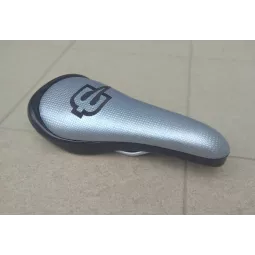
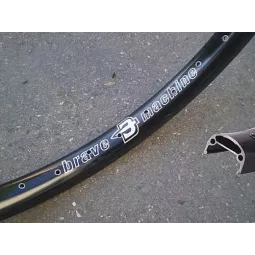

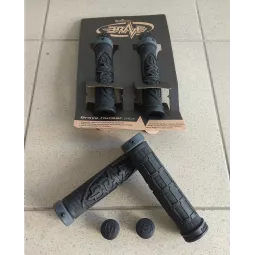

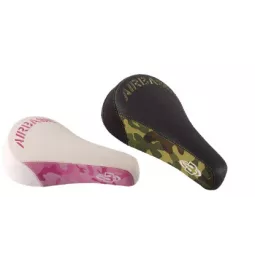
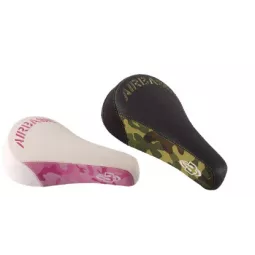
BrBrave Airbase saddle pink camo
Make a statement on the trails and at the park. The Brave Airbase Saddle in…
- -5%
- -5%
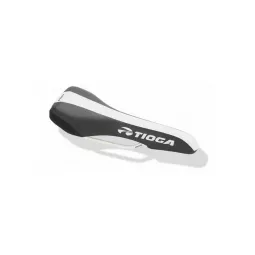
Tioga Multicontrol XL saddle
Tioga Mutlicontrol XL saddle Racing saddle for MTB DH, freeride, enduro, all m.…
- -5%
- -5%
Vintage bike components: how to approach them when building a bike
Vintage and retro bike parts are mainly used for custom builds, restoring older bikes, or maintaining the authentic look of a specific era.
You’ll find original stock (NOS), older generations of components, and discontinued models that make sense mainly within a specific build—typically 90s BMX, early MTB, or first-generation modern bikes.
When vintage makes sense and its limits
The difference compared to modern components is not just visual.
- Vintage parts → authentic look, unique ride feel, often more robust construction
- Modern parts → lighter, higher performance, easier compatibility
If you’re building a stylish or era-correct bike, vintage components make sense. If your priority is performance and hassle-free compatibility, modern components are usually the better choice.
What to check before buying
- Standards and dimensions
Older components often use outdated standards—such as threaded bottom brackets, different hub widths, or handlebar and seatpost diameters. Without checking compatibility, the part may simply not fit. - Mixing with modern parts
Combining vintage and modern components is not always straightforward. Some setups work fine, others hit limitations (e.g. drivetrain or brake standards). - Purpose – riding vs collecting
Some parts are mainly collectible, others are fully usable. If you plan to ride regularly, focus on functional and serviceable options. - Planning the full build
Vintage builds benefit from planning ahead. Buying random parts one by one often leads to compatibility issues.
The biggest difference shows during the build itself. Modern components are mostly plug & play, while vintage setups require knowledge of standards and careful matching.
That’s also what makes them valuable—they allow you to build a bike with a character that stands out from modern production bikes.