

-
Top offers
-
Bikes
-
Helmets & Goggles
-
Accesories


BMX Race středy
BMX Race bottom brackets have a major impact on drivetrain stiffness, smooth bearing performance and correct crank function. When choosing, focus mainly on frame standard, axle compatibility and crank setup.
Products – Category: BMX Race středy
3 items
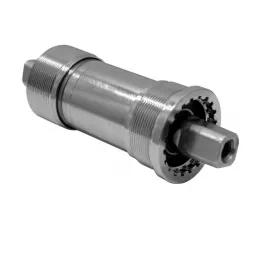
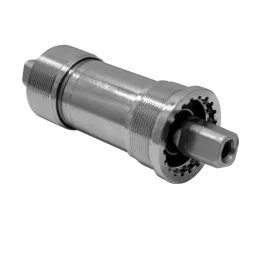
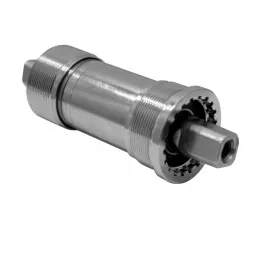
BMX Race bottom brackets – the foundation of a stiff and precise drivetrain
BMX Race bottom brackets are one of those parts that are easy to overlook, but they play a major role in how the entire drivetrain works. The bottom bracket determines how well BMX Race cranks perform, how solid the drivetrain feels under sprint load and whether the whole setup runs tight and precisely without unnecessary play.
In BMX Race, the bottom bracket should never be treated as a separate part only. What matters is the compatibility of the entire system – the frame shell standard, the crank axle type and the connection to related drivetrain parts such as chainrings and chains.
How to choose a BMX Race bottom bracket:
- Frame shell standard – always start by checking which bottom bracket standard your frame uses. Without that, no other parameter matters, because the whole system has to fit correctly from the start.
- Crank compatibility – the bottom bracket must match the axle size and crank construction. This is often the point where the difference between a smooth installation and an unusable mismatch becomes obvious.
- Bearing quality – on a performance BMX Race bike, smooth rotation, low resistance and durability under load matter more than people often expect. The difference shows up most under repeated hard use.
- Level of use – the right choice for a basic replacement is not necessarily the same as for a race-focused build where stiffness, precision and sprint confidence matter more.
What this means in practice:
If the bottom bracket is chosen correctly, the rider usually does not notice it directly – the bike simply feels tighter, the cranks spin more precisely and the drivetrain does not feel vague or soft. A worn or mismatched bottom bracket, on the other hand, quickly shows up through play, rougher feel and less confidence under hard pedaling.
If your priority is mainly compatibility and a trouble-free replacement → start with your frame standard and the type of cranks you use. If you are tuning a performance BMX Race setup → it makes more sense to focus on bearing quality, drivetrain stiffness and how the part supports the rest of the system under load.
For advanced riders and race-focused bikes, the bottom bracket is always part of a bigger picture. The overall drivetrain feel is influenced not just by the cranks themselves, but also by how they work with the chainring, chain and even the rider’s contact with the bike through the pedals.
If you are building or refining a BMX Race bike, the bottom bracket is not a part worth underestimating. It may not be visually prominent, but it often decides whether the drivetrain feels smooth, solid and truly race-ready when performance matters most.