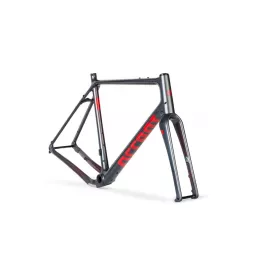
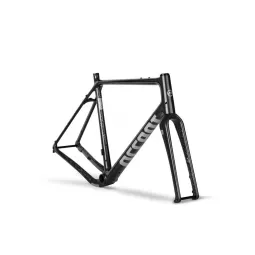
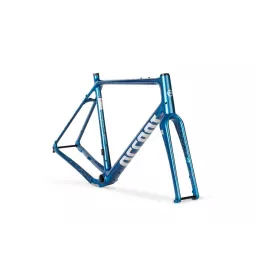
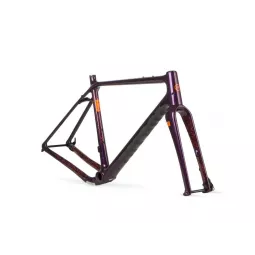
Gravel Frame: How to Choose a Versatile Base Without Ending Up With a Bike That Does Not Match Your Riding
Geometry and comfort | Tire clearance | Compatibility and versatility
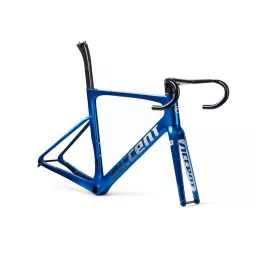
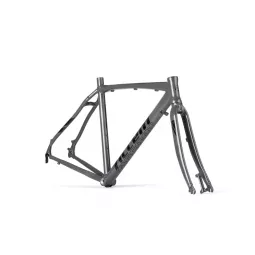
A gravel frame is not just “a road bike frame with wider tires”. The frame itself decides whether the final bike will feel fast and lively on pavement or calmer, more comfortable, and more confidence-inspiring on gravel roads and longer rides. That is why, with gravel, you are not just looking at frame size, but also at reach, stack, wheelbase, BB drop, tire clearance, and the overall practicality of the frame in real use.
Gravel frame vs. road frame
Compared to a pure road frame, a gravel frame offers more room for wider tires, a calmer geometry, and greater versatility. In practice, that means more comfort on rough surfaces, more confidence off pavement, and fewer limitations when you do not want to ride only on smooth roads.
If you want a fast bike mainly for pavement with the option to handle occasional rough roads, a gravel frame can work as a quick all-road platform. If you are looking at longer rides, gravel roads, poor surfaces, and extra comfort, gravel makes much more sense than a traditional road setup. For a broader view of the segment, you can also continue through the Gravel and road category.
What to check so the frame really fits your riding
- Tire clearance: One of the most important parameters of all. Wider tires bring more comfort, grip, and confidence on gravel and rougher surfaces. A narrower setup makes more sense for a faster all-road approach, while wider tires are better for rougher terrain and longer, more comfortable rides. Tire clearance is one of the most common things riders look at when choosing a gravel frame.
- Geometry (reach, stack, wheelbase): A gravel frame can feel more lively and closer to a road bike, or calmer and more comfort-focused. A lower and longer riding position is usually faster, but less forgiving. A higher stack and more stable geometry bring more confidence on long rides, off-road surfaces, and when riding with extra load. If comfort and control matter most, look for a less aggressive geometry.
- BB drop and stability: Even though it is not the first number every rider checks, it has a real effect on the feel of the bike. A lower bottom bracket usually improves cornering stability and gives the bike a calmer, more planted character. A higher bottom bracket can help with terrain clearance, but the bike may feel less settled. On a gravel bike, this is exactly the kind of detail that looks minor on paper but is noticeable on the road and trail.
- Mounting points and versatility: If you want to use your gravel bike for longer rides, commuting, or bikepacking, pay attention to mounts for bottle cages, bags, fenders, and other accessories. This kind of practicality often decides whether the frame will work only as a sporty fast bike or also as a truly versatile machine for longer trips and everyday riding. For practical everyday use, you can also connect this with fenders.
- Compatibility of standards: On a modern build, it makes sense to pay close attention to thru-axles, disc brakes, and bottom bracket type. Riders often compare threaded and pressfit bottom brackets because this affects servicing, noise, and future maintenance. If you are building a bike from scratch, do not only think about whether the parts fit, but also about how practical the setup will be long term.
- Intended use: There is no single gravel frame that suits everyone. If you want a fast bike mainly for pavement and light gravel, a quicker and less extreme setup makes sense. If you want a more comfortable gravel bike for rougher roads, wider tires, and possibly bikepacking, focus more on stability, clearance, and the practical side of the frame. Start with the frame and build the rest of the bike around it.
Workshop insight: With gravel frames, people often focus mainly on size and material, but in real use it is just as important to know how wide a tire the frame can take and how calm the geometry feels. That is what decides whether the bike will behave like a fast road bike for rough pavement or a truly versatile gravel machine.
What is the difference between a gravel frame and a road frame?
A gravel frame offers more tire clearance, a calmer geometry, and greater versatility. That allows it to handle not only pavement, but also gravel roads, rougher surfaces, and longer, more comfortable rides.
How wide should the tires on a gravel frame be?
That depends on whether you want a faster all-road setup or a more comfortable gravel bike for rougher terrain. In general, more frame clearance gives you more future flexibility and makes the bike more versatile.
Does a gravel frame make sense for longer rides or bikepacking?
Yes, that is one of its biggest advantages. If the frame has sensible geometry, enough mounting points, and suitable tire clearance, it can work as a very versatile base for longer rides and everyday use.