How to navigate the forks category
Fork types and use | What to check before buying | Compatibility and setup
Our Forks category is intentionally broad, so it is not limited to just one bike segment. You will find MTB forks, BMX forks, gravel forks, related fork accessories and shocks. The purpose of this main category is to guide you quickly toward the right product type based on your bike, riding discipline and required compatibility.
What types of forks you will find here
MTB forks make sense for trail, enduro, dirt jump and other mountain bike disciplines. In practice, the main question is whether you need a suspension fork for comfort, traction and control in rough terrain, or a rigid fork for lower weight, simpler setup and more direct steering. With rigid MTB forks, it is especially important to keep the correct geometry and match the wheel size, axle standard and brake mount.
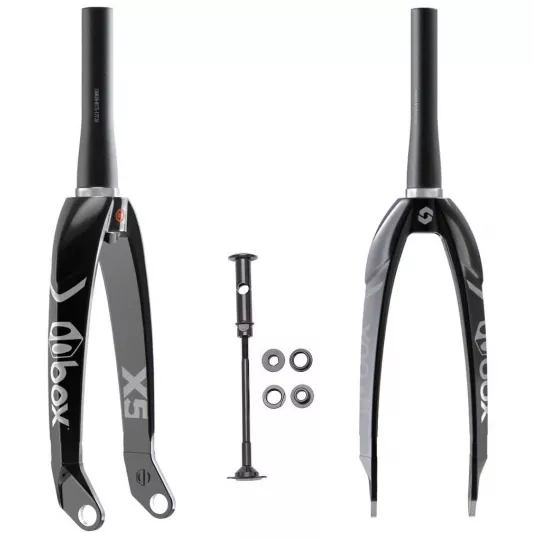
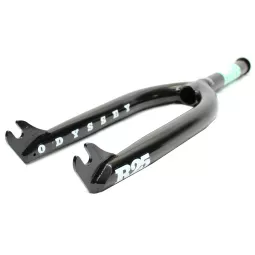
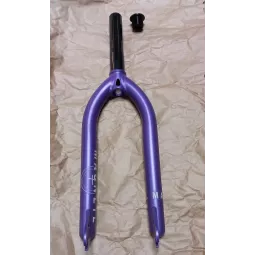
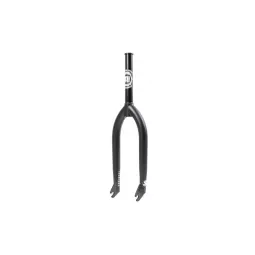
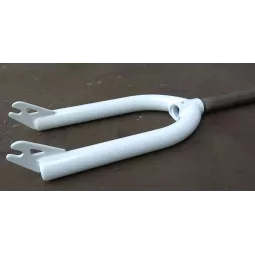
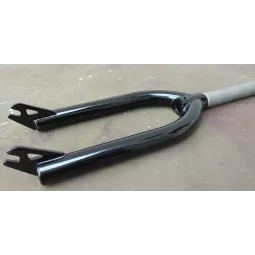
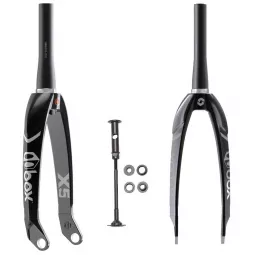
BMX forks are a category of their own. In BMX race, riders usually focus on low weight, accurate steering and efficient power transfer during sprints and gate starts. In freestyle use, it makes more sense to prioritize strength, material choice and long-term durability under harder impacts. Here, axle size, fork offset and the overall character of the bike matter a lot.
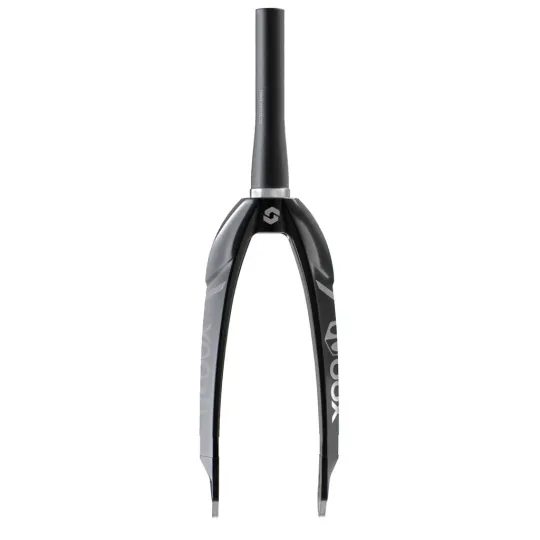
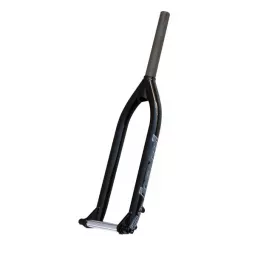
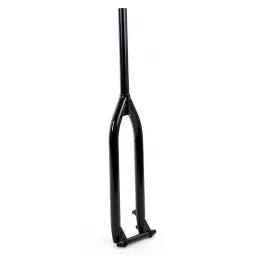
Gravel and road forks are typically rigid and often carbon. With gravel forks, the key is usually the balance between low weight, comfort, confident steering and the option to carry mounts or bikepacking gear. In road use, riders tend to focus more on steering precision, weight and compatibility with the axle, brakes and headset.
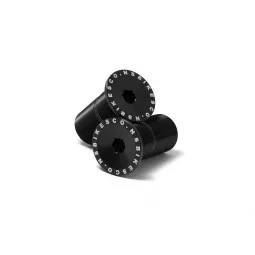
Accessories and shocks give this category a broader meaning than just choosing a new fork. If you are building, servicing or upgrading a bike as a whole, it often makes sense to look at the related parts as well, so you do not end up with a fork that looks right on paper but does not fit the rest of the setup properly.
What to check before buying a fork
- Bike type and riding discipline – the selection logic is different for BMX race, dirt jump, gravel or classic MTB use. The fork needs to match the way the bike is actually ridden. The difference shows up not only on a spec sheet, but in steering feel, stability, acceleration, braking and impact control.
- Rigid vs suspension design – a rigid fork makes sense when you want simplicity, lower weight and direct feedback. A suspension fork is the better option for rough terrain, broken surfaces and any use where comfort, traction and front-wheel control matter more.
- Axle and dropout compatibility – make sure the fork matches your hub and wheel fixing standard. The difference between 10 mm, 15 mm, 20 mm or a thru-axle is not a minor detail. If the axle standard does not match, the fork will not fit without further changes.
- Steerer tube and headset – check whether you need a straight or tapered steerer and whether it matches both the frame and the headset. This is one of the most common sources of buying mistakes, because some combinations look close enough on paper but still require extra adapters or related parts.
- Brake standard – some forks are designed for specific brake setups and mounting standards. In practice, this matters most when rebuilding a bike or switching to a different wheel or hub setup.
- Material and intended use – carbon makes the most sense when weight, steering precision and a sport-focused feel matter most. CrMo and more robust alloys are often the better choice for BMX, dirt or harder use, where long-term durability and resistance to abuse are more important.
- Geometry and fork length – especially when swapping from suspension to rigid, the new fork should not completely change the bike’s front-end position. On the trail or on the track, this affects stability, front height, steering speed and the overall feel of the bike.
Brand orientation and product mix
This category includes brands with quite different use cases and riding backgrounds. BOX Components and SD BMX Super Dupper are strongly connected to the BMX race segment, where low weight and race-focused response matter. Odyssey BMX, Sunday BMX, Macneil BMX and Haro Bicycles are a natural fit for riders looking for BMX character and durability. Identiti, NS Bikes, Gusset and Octane One also make sense for MTB, dirt or gravel builds depending on the specific model, while Bombtrack fits naturally into the gravel and bikepacking space.
So if you are not just looking for “a fork,” but for a fork that matches a specific riding style, it makes sense to go straight into the most relevant subcategory. For mountain bike use, start with MTB forks. For race-oriented or BMX use, head to BMX forks. For lightweight rigid setups on tarmac and mixed surfaces, the best starting point is gravel forks.
Practical expert note: when choosing a fork, many buyers focus too much on wheel size or appearance. In real-world use, the deciding factors are much more often the axle standard, steerer type, brake mount and the resulting bike geometry. If you want the new fork to work without unnecessary compromises, start with compatibility first and only then compare material, weight or price.
For a full build or front-end upgrade, it can also make sense to look at the related Frames and Forks section, as well as connected categories such as frames, dropouts or headsets and other components that are often directly linked to a fork replacement.