

-
Top offers
-
Bikes
-
Accesories


Availability
Brand
Price
Selections
size
colour
29
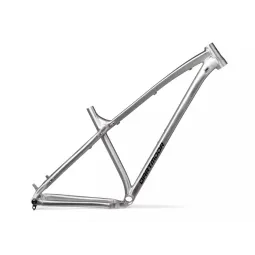
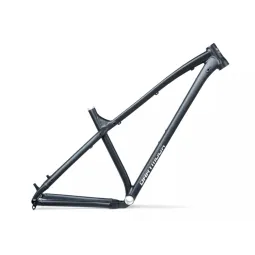
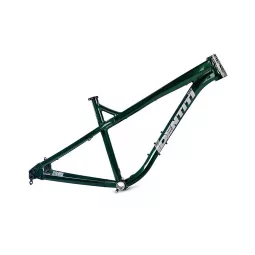
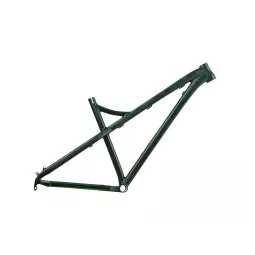
29er frames are most commonly associated with modern MTB, where better rollover, more stability, and stronger momentum through rough terrain are the main advantages. Compared to smaller wheel sizes, they usually feel calmer and more confident over roots, rocks, and broken ground.
Sort by:
Active filters
- Selections: Discounted



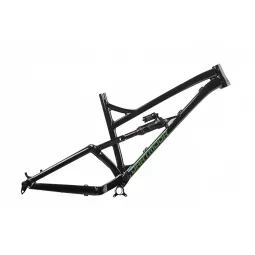
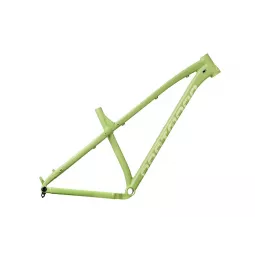
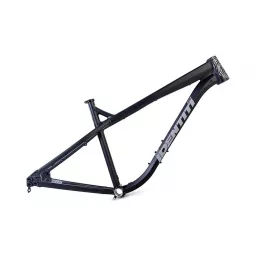
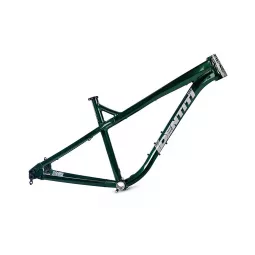
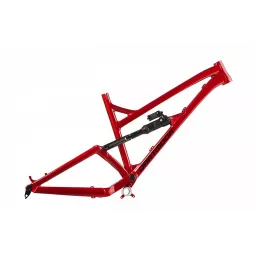

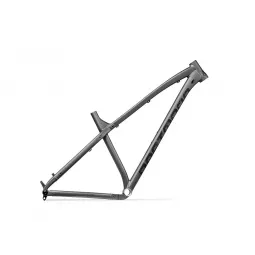
29er Frame: When It Makes the Most Sense and How to Compare It Properly With Other Wheel Sizes
29 vs. 27.5 | 29 vs. plus and mullet | Geometry, riding style, and compatibility
A 29er frame is now one of the most common foundations of modern MTB, because the larger wheel diameter helps the bike roll more smoothly over obstacles, hold speed better, and feel calmer in rough terrain. But that does not mean 29" automatically solves everything. It matters just as much whether you are looking for a hardtail MTB frame or a full suspension MTB frame, and what kind of riding you actually expect from the bike.
29" vs. 27.5" vs. 27.5+ vs. 26" vs. 24"
29" makes the most sense when you want stability, confidence, and smoother rollover through rough terrain. On the other hand, 27.5" frames tend to feel more agile, more responsive, and more playful in tight corners, manuals, and technical riding. If you want more grip and comfort without going fully into the “big-wheel” feel of a 29er, 27.5+ frames can also make sense, since they are designed around higher-volume tires.
Smaller wheel sizes such as 26" or 24" still make sense where compactness, smaller rider height, or a very specific riding style are the priority. It is not that those sizes are “wrong,” but in most modern trail and XC MTB builds, 29" offers more stability and confidence. Smaller wheels keep their advantage where you want the bike to change direction faster and feel easier to throw around.
Where mullet fits into the picture
A mullet setup usually means 29" in the front and 27.5" in the rear. It makes sense for riders who want the benefits of a large front wheel—better rollover and more confidence through obstacles—but do not want the full long and calm feel of a complete 29er. A 27.5" rear wheel often feels more playful, improves agility, and can also work better for smaller riders or for technical trail and enduro riding.
Mullet is not the universal answer for everyone. If you want a fast and stable bike mainly for XC or longer trail riding, a full 29er often makes more sense. But if you want a compromise between confidence and playfulness, it is worth keeping mullet in mind when choosing a frame.
What to check so the 29er frame really suits you
- Riding style: If you ride XC, longer trails, and want stability at speed, a 29er frame often makes the most sense. For a more playful style, technical turns, manuals, and a more “lively” bike feel, a smaller wheel size or a different geometry setup may be a better choice.
- Frame geometry: Wheel size alone is not enough. What matters is how long the frame is, what kind of rear center it has, and how the bike is balanced as a whole. Modern 29er frames no longer have to feel clumsy, but the wrong geometry can still create exactly that feeling.
- Rider height and frame size: Today, 29ers can work much better for shorter riders than they used to, but it is still true that a smaller rider or a very specific riding style may fit better on a more compact setup. If you are choosing between options, do not look only at S / M / L, but also at reach, rear-end length, and the overall feel of the frame.
- Frame type: On hardtail frames, 29" is often associated with speed, simplicity, and trail / XC use. On full suspension frames, 29" adds even more confidence in rough terrain, but it also raises the question of whether the bike might feel too long and too calm for the rider’s taste.
- Tire clearance and frame intention: With 29" MTB frames, it also matters how wide a tire the frame can fit and whether the frame is intended more for XC, trail, or enduro. The fact that it is a 29er alone does not say how aggressive or how versatile the frame really is.
- Build compatibility: If you are building the bike from scratch, it also makes sense to connect back to the parent categories Frames and Frames and forks. With a 29er frame, multiple factors often matter at the same time—the fork type, tire width, intended use of the frame, and how versatile you want the final bike to be.
Brands such as Dartmoor, NS Bikes, and Octane One make sense when you are looking for a more durable and character-driven MTB build. Accent Bikes, on the other hand, can fit riders who want a modern MTB foundation without unnecessary flash. Identiti naturally appeals to riders who want a stylish frame with its own character, rather than a completely anonymous all-round option.
Workshop insight: With 29er frames, people often expect bigger wheels to automatically mean a “better bike.” In reality, what matters most is how the frame is built geometrically and what it is supposed to do. A well-designed 29er frame feels fast, confident, and easy to read. A poorly chosen one can feel more cumbersome than the rider expected.
Are 29er frames always better than 27.5" frames?
No. 29" usually offers more stability and better rollover, but 27.5" can feel more playful, more agile, and more fun for technical riding.
Who does a mullet setup make sense for?
Mullet makes sense for riders who want the confidence of a 29" front wheel, but also a more playful and agile rear end. It often suits technical trail and enduro riding.
Does 27.5+ still make sense?
Yes, if you are looking for more tire volume, comfort, and grip. 27.5+ is not for everyone, but for certain riding styles it can be a very interesting compromise between classic MTB and a much more comfortable setup.