

-
Top offers
-
Bikes
-
Accesories


Categories
Availability
Brand
Price
Selections
colour
Pedals
Choose the perfect pedals for your riding style. Whether you are looking for maximum efficiency for pedaling in demanding terrain, or complete freedom and confidence on technical trails, the right platform is the foundation for perfect power transfer and bike control.
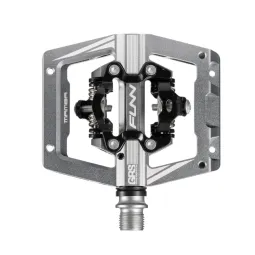


Bestsellers in this category
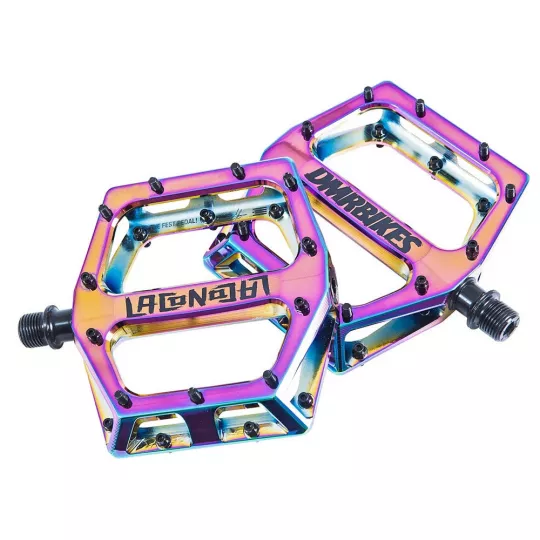
Sort by:
Active filters
- colour: Clear

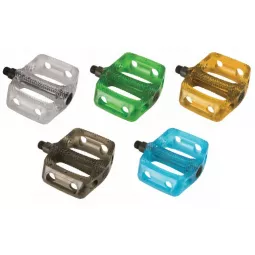
How to choose bike pedals according to riding style, grip and pedal type
Platform pedals | SPD clipless pedals | Metal vs plastic pedals | MTB, BMX and gravel | Grip and pins | FAQ
Choosing the right bike pedals depends mainly on your riding style, preferred shoe connection and the amount of grip you want on the bike. Some riders prefer the freedom and simplicity of platform pedals, while others want the efficiency and control of SPD clipless pedals.
In this category you will find MTB pedals, BMX pedals, gravel pedals and pedals for trail, street, dirt or XC riding from brands such as Odyssey BMX, DMR Bikes, Funn, Dartmoor and NS Bikes.
SPD vs platform pedals
The biggest decision is usually whether to choose SPD clipless pedals or platform pedals. Both systems have advantages depending on terrain, riding style and rider preference.
| Pedal type | Typical use | Advantages | What to consider |
|---|---|---|---|
| Platform pedals | Trail, enduro, BMX, street, dirt, freeride. | Freedom of movement, easier foot repositioning, confidence in technical terrain. | Grip depends heavily on pedal shape, pins and shoe sole. |
| SPD clipless pedals | XC, gravel, marathon, efficient pedaling. | Better power transfer and secure foot position. | Requires compatible cycling shoes and time to get used to clipping in/out. |
Platform pedals and grip
With flat pedals, grip is one of the most discussed topics among riders. Grip is influenced by pedal shape, pedal size, pin layout and shoe sole compound. Riders often look for a balance between strong foot support and the ability to reposition the foot quickly in technical sections.
Aggressive metal pins usually offer stronger grip, especially for trail, enduro, street or BMX riding. Plastic pedals can still work very well, especially for beginners, lighter builds or riders who want a more forgiving setup.
Metal vs plastic pedals
Metal pedals are usually chosen for higher durability, stronger support and more precise feel under the foot. CNC-machined alloy pedals are common in trail, enduro or more aggressive BMX riding.
Plastic pedals are often lighter, more affordable and popular for dirt jump, BMX, street or casual MTB riding. Modern composite pedals can still offer very good grip and durability when combined with quality pins and proper shoe soles.
Pins, service parts and maintenance
Pedal grip and long-term function are strongly affected by pedal pins and replaceable hardware. Bent or worn pins reduce grip significantly, especially in wet or rough terrain.
For replacement parts and tuning components you can check the category pedal pins and spare parts.
Pedals according to riding style
Trail and enduro riders usually prioritize grip, stability and pedal support in rough terrain. BMX and street riders often prefer compact platform pedals with strong pins and durable construction. XC and gravel riders more commonly choose SPD pedals for efficient pedaling and a stable foot position during long rides.
In practice, there is no single “best” pedal. The right choice depends mainly on terrain, riding style, shoe compatibility and personal preference.
What to check before choosing pedals
- Pedal type: Decide whether you want platform pedals or SPD clipless pedals.
- Riding style: Trail, BMX, street, XC, gravel and enduro often require different pedal characteristics.
- Grip: Platform pedal grip depends mainly on pedal shape, pins and shoe sole.
- Material: Metal pedals usually focus on durability and precision, while plastic pedals are often lighter and more affordable.
- Pins and spare parts: Replaceable pins and serviceable parts can extend pedal lifespan significantly.
- Shoe compatibility: SPD pedals require compatible cycling shoes and cleats.
Practically: first decide whether you want the freedom of platform pedals or the efficiency of SPD clipless pedals. Then focus on grip, pedal shape, material and compatibility with your riding style and shoes.
What is the difference between SPD and platform pedals?
SPD pedals clip the shoe into the pedal for more efficient pedaling and a secure foot position. Platform pedals allow more freedom of movement and easier foot repositioning, especially in technical terrain.
Are metal pedals better than plastic pedals?
Not automatically. Metal pedals usually offer better durability and a more precise feel, while modern composite pedals can still provide excellent grip and lower weight. The better choice depends on riding style and rider preference.
Do pedal pins really affect grip?
Yes. Pin height, shape and placement strongly affect how securely the shoe connects with the pedal. Worn or damaged pins usually reduce grip noticeably, especially in wet or rough conditions.